- Products
- Segments
- Newsroom
- Tools and Resources
- Sustainability
- We are Nexans
- Search
- Contact us
- Compare
- Sign in
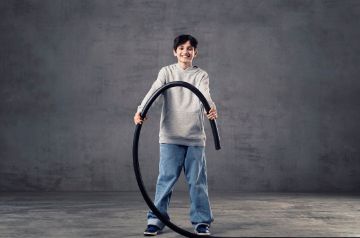
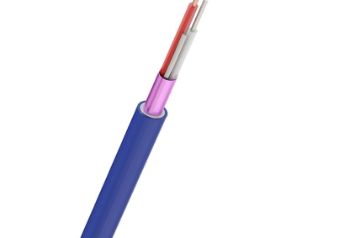
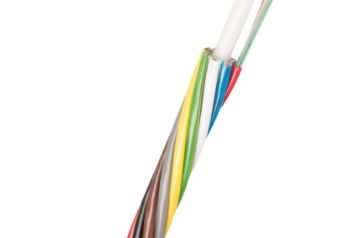
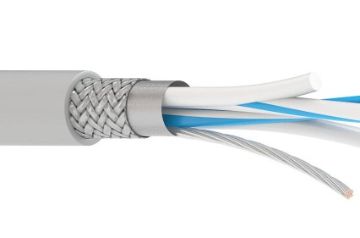
Safer cables to work and home.
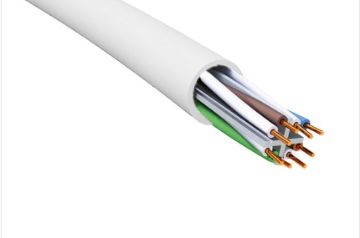
Nexans was the first company in Norway to commit to phasing out PVC and halogens from all cables intended for use in buildings. This was the biggest change we made in 70 years. For us, it marked the start of a transition we believe is absolutely necessary in a society that is rapidly becoming electrified. Now, stricter requirements are indeed coming in the new NEK 400:2026 standard regarding Dca-s2d2a1, which in practice makes Low Fire Hazard the new standard in Norway.
Why should you choose Low Fire Hazard (halogen-free) cables?
Every year, an average of 45 Norwegians die as a result of fire. Because many fires start for electrical reasons, safe electrical installations are an obligation for our industry and a responsibility we must all take seriously.
Some of our customers already choose our halogen free alternatives.
There are 3 good reasons to choose halogen-free:
It helps save lives
Improved fire safety is by far the most important benefit of Low Fire Hazard cables. Smoke is what claims the most lives in fires. When PVC burns, it produces black smoke and dangerous gases that are harmful to inhale and make it difficult to see. Low Fire Hazard cables produce less smoke, provide better visibility, and slow the progression of a fire. This can provide up to 15% more time to escape, making both evacuation and firefighting safer. By using Low Fire Hazard cables, you can help save lives.
Does less damage
After a fire, smoke remediation is often the biggest cost. Less black smoke and fewer corrosive gases mean less damage to equipment and buildings. This makes decontamination quicker and cheaper, and allows the building to be put back into use sooner. Low Fire Hazard cables have flame-retardant and self-extinguishing properties, reducing the spread of fire and helping to reduce damage and costs in the event of a fire.
Fulfils requirements for green buildings
PVC is a controversial material that often contains endocrine-disrupting phthalates (plasticizers). Low Fire Hazard cables are free of these substances and pose a lower risk of releasing dioxins in the event of a fire. There has been a clear increase in requirements for construction projects to be environmentally friendly, a trend reflected, among other things, in the growth of Nordic Swan Ecolabelled buildings in recent years. PVC- and Low Fire Hazard cables meet the requirements for fire class Dca-s2d2a2 and have previously been approved for use in green buildings. However, the new standard is now becoming stricter, with a primary requirement for Dca-s2d2a1 in all buildings.
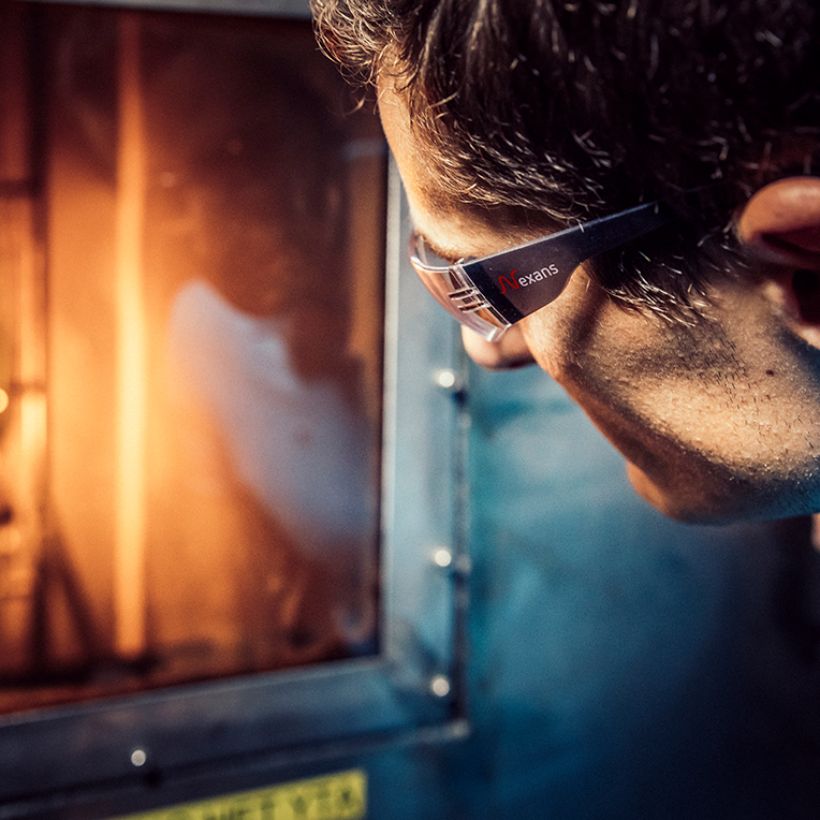
New Requirements in NEK 400:2026 – What Do They Mean?
When NEK 400:2026 takes effect, installation cables will generally be required to meet at least fire class Dca‑s2d2a1 in accordance with the CPR (Construction Products Regulation). The change is just around the corner, but what does it mean for you? Which cables should you choose?
You can learn more about this in this on-demand webinar with Jan Erik Nilsen (Development Leader in Nexans Norway)
The future is EASY
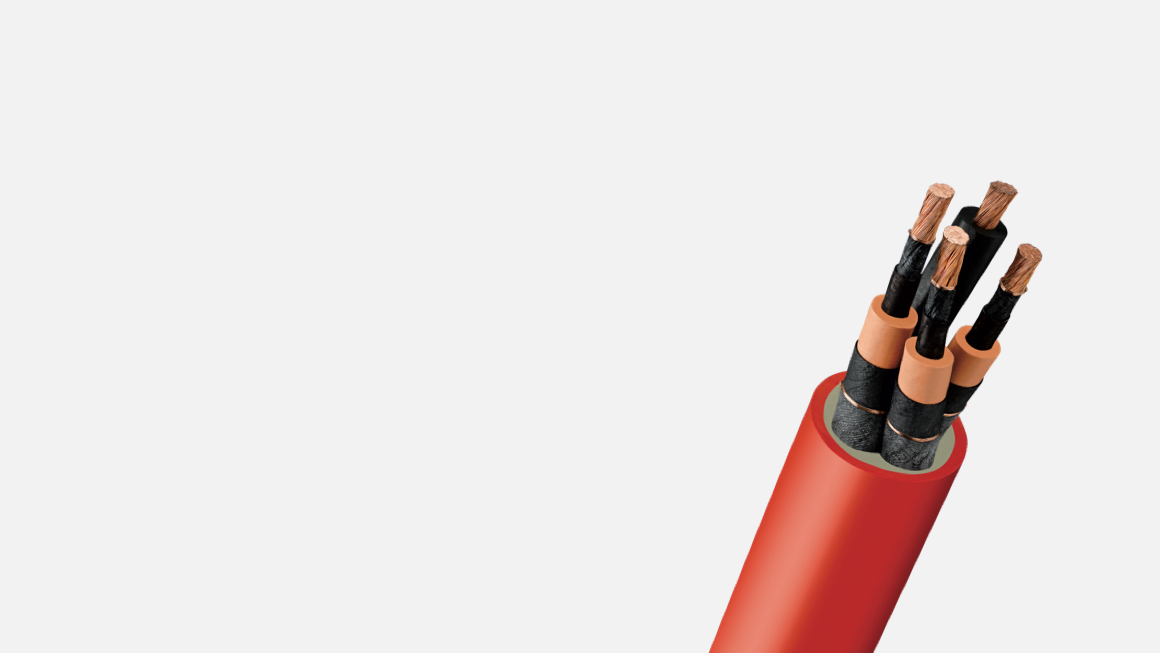
EASY is synonymous with low-smoke PVC-free and Low Fire Hazard cables that meet the environmental requirements of e.g. the Nordic Swan Ecolabel. The EASY range also fulfils the requirements for fire class Dca in accordance with the Construction Products Regulation.
In our EASY range, you'll find a wide selection of low-cost, user-friendly and Low Fire Hazard Dca class cables.
Our websites
Select your country to find our products and solutions
-
Africa
- Africa
- Ghana
- Ivory Coast
- Morocco
- North West Africa
- Americas
- Asia
- Europe
- Oceania