- Products
- Segments
- Newsroom
- Tools and Resources
- Sustainability
- We are Nexans
- Search
- Contact us
- Compare
- Sign in


CSR
Low-carbon aluminium for the infrastructure of tomorrow
Oct 12, 2026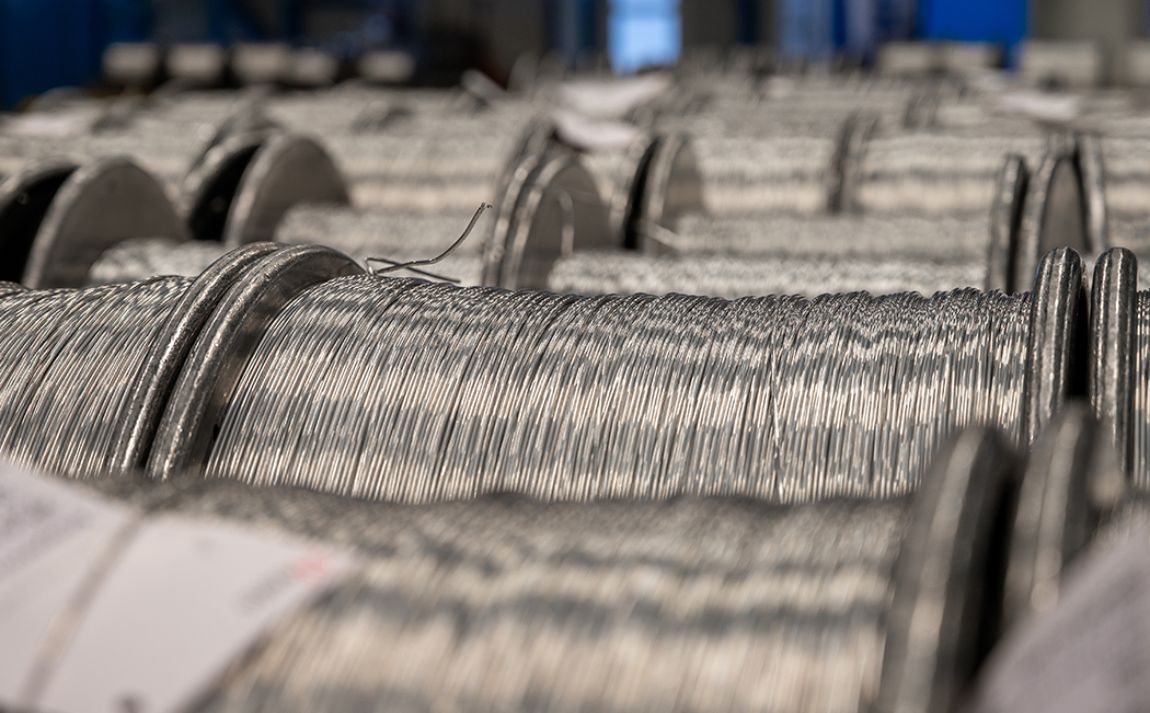
Electrification and the expansion of the Nordic power grids require substantial, long-term investment. At the same time, expectations are increasing for a lower carbon footprint, improved traceability and clearer documentation of the materials used. Through a long-term agreement with Hydro, Nexans has secured access to aluminium with a lower carbon footprint, supporting both Nexans and our customers in their efforts to reduce carbon emissions throughout the value chain.
Earlier this summer, Nexans and Hydro announced a long-term agreement for the supply of aluminium with a lower carbon footprint. The agreement covers approximately 85,000 tonnes of aluminium wire over five years.
The agreement is global, but the opportunities it creates are highly relevant to the Nordic market. As investment in power grids, electrification and energy infrastructure continues, attention is focused not only on product performance, but also on the materials used in products and their carbon footprint.
Material choices that stand the test of time
For customers, this is about more than reducing emissions. Transparency, traceability and access to verifiable information are becoming increasingly important in procurement, carbon accounting and sustainability reporting.
- Access to Norwegian aluminium with a lower carbon footprint is an important prerequisite for Nexans’ efforts to reduce the carbon footprint of our products. The combination of lower emissions, high quality and verified traceability enables us to deliver cable solutions with a lower carbon footprint, without compromising on quality or performance. This creates value for both Nexans and our customers, while also contributing to a lower carbon footprint further down the value chain. In this way, we help our customers — and their customers — achieve their climate targets,
says Stian Johansen, Sustainability Manager at Nexans Langhus.
Long-term access and predictability
The energy transition in the Nordics requires major, long-term investments in power grids and other critical infrastructure. This makes secure access to materials and greater predictability important factors in the years ahead.

As demand for aluminium with a lower carbon footprint increases, securing long-term access is becoming strategically important for both Nexans and our customers. The agreement also supports efforts to reduce Scope 3 emissions throughout the value chain and provides greater predictability for infrastructure investments with lifetimes spanning several decades.
- For our customers, this agreement is about more than securing access to a material. It is about creating better conditions for long-term infrastructure investments by combining materials with a lower carbon footprint with traceability and greater predictability. At the same time, the agreement demonstrates how important collaboration across the entire value chain is. If we are to reduce carbon emissions, we must do so together with our suppliers, customers and other partners,”
says Stéphane Jetté, Managing Director, PWR Grid & Connect BU Nordics.
Working together on the solution
For Nexans in the Nordics, the Hydro agreement is therefore part of a broader picture: how material choices, product performance, carbon footprint, traceability and long-term delivery capability can together support continued electrification.
A single material choice cannot solve every challenge. But long-term partnerships such as this can help create the conditions needed for the infrastructure and transition we will need tomorrow.
Read more about the global agreement between Nexans and Hydro on the Group’s website. Link below.
Our websites
Select your country to find our products and solutions
-
Africa
- Africa
- Ghana
- Ivory Coast
- Morocco
- North West Africa
- Americas
- Asia
- Europe
- Oceania